Blog Article
Severe Knee Pain, Swelling or Deformity? It May Be a Kneecap Dislocation
Expert Guidance by Dr. Ganesh Shirsath – Orthopedic, Joint Replacement & Arthroscopy Specialist in Kalyan
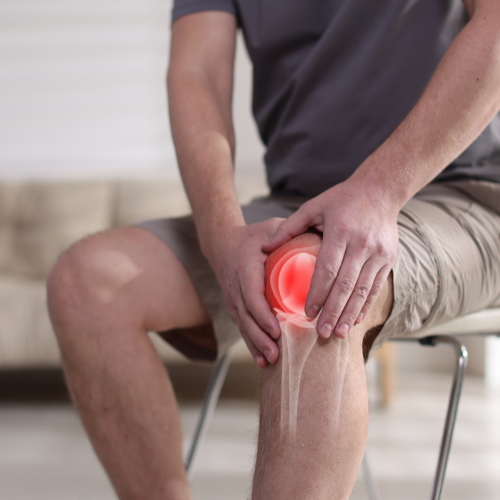
A sudden twist, fall, or misstep can push the kneecap out of its normal position, causing intense pain and immediate difficulty moving the knee. This condition, known as a kneecap dislocation (patellar dislocation), requires timely orthopedic attention. With over 15 years of expertise, Dr. Ganesh Shirsath — Orthopedic, Joint Replacement Surgeon and Arthroscopist in Kalyan — explains how this injury occurs and why early treatment is essential for long-term knee stability.
What Happens During a Kneecap (Patellar) Dislocation?
The kneecap (patella) normally sits in a groove at the end of the thigh bone. A dislocation occurs when the patella slides or pops out of this groove due to:
- Sudden twisting movements
- Direct impact or fall
- Sports injuries
- Structural abnormalities like shallow grooves or loose ligaments
When the kneecap shifts out of place, the surrounding ligaments and cartilage can stretch or tear, leading to severe pain and instability.
Common Symptoms of a Kneecap Dislocation
Patients often describe the injury as dramatic and instantly painful. Typical symptoms include:
- Severe knee pain
- Visible deformity — the kneecap looks out of place
- Rapid swelling
- Inability to bend or straighten the knee
- A feeling of the kneecap "slipping out" at the moment of injury
Some individuals may also experience numbness or difficulty bearing weight.
How Is a Kneecap Dislocation Diagnosed?
A proper diagnosis is crucial to assess the extent of damage. Dr. Shirsath performs:
- A detailed clinical examination
- X-rays to check bone alignment
- MRI scans to detect ligament tears, cartilage injury, or associated fractures
Accurate imaging helps determine whether conservative treatment or surgery is needed.
Treatment Options for Kneecap Dislocation
Immediate Care
The first step is to reduce the dislocation, meaning the kneecap is gently guided back into place. This is followed by:
- Rest
- Ice therapy to control swelling
- A knee brace for support
- Controlled movement to prevent stiffness
Physiotherapy
Rehabilitation is essential to restore knee stability. Physiotherapy focuses on:
- Strengthening the quadriceps muscles
- Improving balance
- Enhancing joint alignment
- Preventing future dislocations
Surgical Treatment
Surgery may be recommended when:
- There are recurrent dislocations
- Ligaments are severely torn
- Cartilage damage is significant
- Structural abnormalities need correction
Procedures may include ligament reconstruction or realignment surgeries to stabilise the patella.
Recovery Timeline
Recovery depends on the severity of the injury:
- Non-surgical cases: around 6 weeks
- Post-surgery: typically 3–4 months
With proper rehabilitation, most patients regain full knee function and significantly reduce the risk of recurrence.
Consult Dr. Ganesh Shirsath for Kneecap Dislocation Treatment in Kalyan
For expert evaluation, accurate diagnosis, and personalised treatment, consult Dr. Ganesh Shirsath in Kalyan — your trusted orthopedic and bone specialist.
Early intervention restores knee stability, prevents recurrence, and helps you return to pain-free movement with confidence.
Frequently Asked Questions (FAQs)
Expert insights by Dr. Ganesh Shirsath, Orthopedic Surgeon in Kalyan | 15+ Years Experience