Blog Article
Ankle Sprain Symptoms: Pain, Swelling & Bruising Explained by an Orthopedic Specialist
Expert Guidance by Dr. Ganesh Shirsath – Orthopedic, Joint Replacement & Arthroscopy Specialist in Kalyan
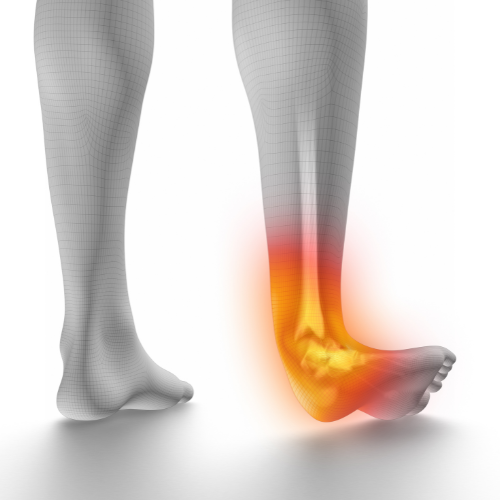
A sudden twist of the ankle can do more damage than most people realise. An ankle sprain is one of the most common orthopedic injuries, yet it is often underestimated or treated casually. With over 15 years of expertise, Dr. Ganesh Shirsath — Orthopedic, Joint Replacement Surgeon and Arthroscopist in Kalyan — explains what really happens during an ankle sprain and how to manage it correctly.
What Happens When You Sprain Your Ankle?
An ankle sprain occurs when the ligaments that support the joint are stretched or torn due to:
- Rolling the ankle inward or outward
- Sudden twisting
- Missteps during walking or running
- Sports injuries or uneven surfaces
These ligaments act like strong bands that stabilise the ankle. When they are injured, the joint becomes painful and unstable.
Common Signs of an Ankle Sprain
Most patients experience symptoms immediately after the injury. The classic signs include:
- Pain around the ankle
- Swelling that increases over the next few hours
- Bruising or discoloration
- Difficulty bearing weight
- Tenderness on touch
In moderate to severe sprains, some people may feel or hear a popping sound, followed by rapid swelling or instability.
How to Treat an Ankle Sprain at Home: The R.I.C.E. Method
For immediate care, Dr. Ganesh Shirsath recommends the trusted R.I.C.E. protocol:
- Rest: Avoid walking or putting weight on the injured foot.
- Ice: Apply ice packs for 15–20 minutes every few hours to reduce swelling.
- Compression: Use an elastic bandage to support the ankle and control swelling.
- Elevation: Keep the foot raised above heart level to reduce fluid buildup.
Over-the-counter anti-inflammatory medicines may help ease pain and discomfort.
When Do You Need Medical Attention?
If pain, swelling, or difficulty walking continues beyond a few days, it may indicate a more serious injury. You may need:
- An X-ray to rule out fractures
- A clinical examination to assess ligament damage
- Physiotherapy to restore strength, balance, and mobility
Important: Ignoring a sprain can lead to chronic ankle instability, repeated injuries, and long-term joint problems.
How to Prevent Future Ankle Sprains
Rehabilitation is essential for complete recovery. Dr. Shirsath recommends exercises such as:
- Heel raises
- Toe curls
- Resistance band movements
- Balance training
Wearing supportive footwear or using an ankle brace during sports or long walks can significantly reduce the risk of re-injury.
Consult Dr. Ganesh Shirsath for Ankle Sprain Treatment in Kalyan
For accurate diagnosis, personalised treatment, and long-term joint protection, consult Dr. Ganesh Shirsath in Kalyan — your trusted orthopedic specialist with over 15 years of experience.
Early evaluation prevents chronic instability and ensures a complete, safe recovery so you can return to your active lifestyle with confidence.
Frequently Asked Questions (FAQs)
Expert guidance by Dr. Ganesh Shirsath, Orthopedic Surgeon in Kalyan | 15+ Years Experience