Blog Article
Persistent Knee Pain? It Could Be a Meniscus or Cartilage Injury
Knee pain that lingers for weeks, keeps returning, or comes with clicking, locking, or swelling may be more than everyday wear and tear. Here's what you need to know.
Published on 9 July, 2026
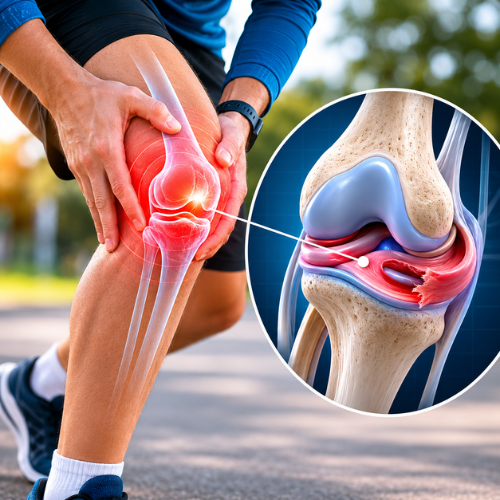
Knee pain is one of the most common reasons people delay exercise, struggle with daily activities, or give up the sports they love. While many assume that persistent knee pain is simply a part of aging or overuse, it may actually be a sign of a meniscus tear or cartilage injury.
According to Dr. Ganesh Shirsath, Orthopedic & Arthroscopy Surgeon in Kalyan, identifying the exact cause of knee pain at an early stage is important because timely treatment can prevent long-term joint damage and help patients return to an active lifestyle.
When Knee Pain Is More Than Just a Temporary Problem
A sore knee after a long walk or an intense workout is usually nothing to worry about. However, pain that continues for several weeks, keeps returning, or interferes with normal movement deserves medical attention.
The knee is one of the body's most complex joints. It contains bones, ligaments, tendons, cartilage, and the meniscus, all working together to provide stability and smooth movement. When any of these structures are injured, especially the meniscus or cartilage, the knee may become painful, swollen, or unstable. Ignoring these symptoms may allow the injury to worsen over time.
What is a Meniscus Tear?
The meniscus is a C-shaped piece of cartilage that acts as a shock absorber between the thigh bone and shin bone. Every knee has two menisci that help distribute body weight and protect the joint.
A meniscus tear can occur due to:
- Twisting the knee while playing sports
- Sudden changes in direction
- Squatting while lifting heavy objects
- Age-related wear and tear
- Falls or accidents
Young athletes often experience traumatic tears, while older adults may develop degenerative tears as the cartilage naturally weakens over time.
Common Meniscus Tear Symptoms You Should Not Ignore
Recognizing meniscus tear symptoms early can make treatment easier and improve recovery. Watch for symptoms such as:
- Pain along the inner or outer side of the knee
- Swelling that develops within a day or two
- Difficulty bending or straightening the knee
- Clicking, popping, or catching sensations
- Knee locking or getting stuck
- Feeling that the knee may give way while walking
Some people continue walking after the injury but notice increasing discomfort over the following days.
Understanding Cartilage Injuries
Cartilage is the smooth, protective tissue that covers the ends of bones inside the knee joint. It allows bones to glide smoothly during movement.
A cartilage injury occurs when this protective layer becomes damaged due to injury, repeated stress, or gradual degeneration. Unlike many other tissues, cartilage has limited healing ability because it has very little blood supply. Without proper cartilage injury treatment, damaged cartilage may gradually lead to arthritis and chronic knee pain.
Signs of a Cartilage Injury
Cartilage damage often develops slowly, making it easy to overlook. Common symptoms include:
- Persistent knee pain
- Swelling after activity
- Stiffness, especially in the morning
- Grinding or cracking sounds
- Reduced range of motion
- Difficulty climbing stairs or getting up from a chair
These symptoms often overlap with other knee conditions, making an accurate diagnosis essential.
How Is the Problem Diagnosed?
An orthopedic evaluation usually begins with a detailed discussion of your symptoms and how the injury occurred. Your doctor may recommend:
- Physical examination
- Joint stability tests
- X-rays to rule out fractures
- MRI scan to assess soft tissue injuries
- Arthroscopic evaluation in selected cases
Early diagnosis helps determine the most suitable knee pain treatment before the damage becomes more severe.
Treatment Options for Meniscus and Cartilage Injuries
Treatment depends on several factors, including your age, activity level, type of injury, and severity of symptoms.
Non-Surgical Treatment
Many mild injuries improve without surgery through:
- Rest and activity modification
- Ice application
- Compression and elevation
- Anti-inflammatory medications
- Physiotherapy
- Muscle strengthening exercises
- Weight management
These conservative measures often relieve symptoms while allowing the knee to heal naturally.
Knee Arthroscopy: A Minimally Invasive Solution
When symptoms persist despite conservative treatment, knee arthroscopy may be recommended. This minimally invasive procedure involves inserting a tiny camera through small incisions to examine and treat the damaged structures inside the knee. During arthroscopy, the surgeon may:
- Repair a torn meniscus
- Remove damaged tissue
- Smooth injured cartilage
- Treat loose fragments
- Address associated ligament injuries
Because the incisions are small, patients usually experience less pain, quicker recovery, and faster return to daily activities compared to traditional open surgery.
Recovery After Treatment
Recovery varies depending on the type of injury and treatment performed. Most patients benefit from a structured rehabilitation program that focuses on:
- Reducing swelling
- Restoring knee movement
- Improving muscle strength
- Enhancing balance
- Returning safely to sports and work
Following your rehabilitation plan consistently plays a major role in achieving long-term success.
Can Meniscus and Cartilage Injuries Be Prevented?
Although not every injury can be avoided, healthy habits significantly reduce the risk. Helpful preventive measures include:
- Warm up before exercise
- Strengthen thigh and hip muscles
- Maintain a healthy body weight
- Wear proper footwear
- Avoid sudden twisting movements
- Increase exercise intensity gradually
- Use correct sports techniques
These simple practices help protect the knee joint during everyday activities and sports.
FAQs
1. How do I know if my knee pain is due to a meniscus tear?
If your knee pain is accompanied by swelling, clicking, locking, difficulty bending the knee, or instability after a twisting injury, it may indicate a meniscus tear. A clinical examination and MRI can confirm the diagnosis.
2. Can a cartilage injury heal without surgery?
Small cartilage injuries may improve with physiotherapy, medications, weight management, and activity modification. Larger or persistent injuries may require arthroscopic treatment depending on the extent of damage.
3. What is knee arthroscopy?
Knee arthroscopy is a minimally invasive surgical procedure in which a small camera and specialized instruments are inserted through tiny incisions to diagnose and treat knee problems such as meniscus tears and cartilage injuries.
4. When should I consult an orthopedic surgeon for knee pain?
You should consult an orthopedic surgeon if knee pain lasts longer than a few weeks, repeatedly returns, causes swelling or locking, limits daily activities, or follows a sports injury or accident.
Consult Dr. Ganesh Shirsath — Orthopedic & Arthroscopy Surgeon in Kalyan
Persistent knee pain is never something to dismiss. Whether it is caused by a meniscus tear, cartilage damage, or another joint condition, early diagnosis often leads to better treatment outcomes and faster recovery.
Modern knee arthroscopy, advanced sports injury treatment, and personalized rehabilitation programs from Dr. Ganesh Shirsath can help you regain mobility, reduce pain, and return to an active, healthy life.
Book an Appointment