Blog Article
ACL Tear Symptoms After a Twisting Knee Injury: Treatment, Surgery & Recovery
Expert Insights from Dr. Ganesh Shirsath – Orthopedic Surgeon & Sports Injury Specialist in Kalyan
Published on 7 October, 2026
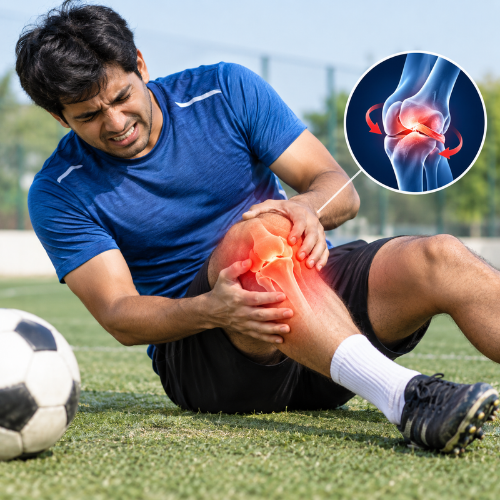
A sudden twist while playing football, cricket, badminton, basketball, or during a workout can lead to severe knee pain and difficulty walking. If you heard a pop in your knee, noticed rapid swelling, or feel like your knee is giving way, you may have suffered an ACL injury.
An ACL tear is one of the most common sports-related knee injuries. It often occurs during sudden twisting movements, awkward landings, or rapid changes in direction.
Dr. Ganesh Shirsath, orthopedic doctor in Kalyan, specializes in diagnosing and treating sports injuries, including ACL tears, meniscus injuries, and other knee ligament injuries. Early diagnosis and appropriate treatment can help restore knee stability and prevent long-term complications.
Quick Answer: Can a Twisting Injury Cause an ACL Tear?
Yes. A sudden twisting movement while the foot remains planted on the ground is one of the most common causes of an ACL tear. Common symptoms include:
- A popping sensation in the knee
- Sudden knee pain
- Rapid swelling
- Difficulty walking
- Knee instability or giving way
A clinical examination and MRI can help confirm the diagnosis and guide treatment.
What Is an ACL Tear?
The Anterior Cruciate Ligament (ACL) is one of the major ligaments inside the knee joint. It connects the thigh bone (femur) to the shin bone (tibia) and plays an important role in stabilizing the knee.
The ACL helps control knee movement during:
- Running
- Jumping
- Pivoting
- Sudden stopping
- Changing direction
When the ACL is stretched or torn, the knee may become unstable and daily activities or sports can become difficult.
ACL injuries may be:
- Grade 1 (mild sprain)
- Partial ACL tear
- Complete ACL tear
Treatment depends on the severity of the injury, knee stability, lifestyle, and athletic goals.
What Are the Symptoms of an ACL Tear?
Symptoms often develop immediately after the injury or within a few hours.
Common ACL Tear Symptoms
- A popping or snapping sensation in the knee
- Sudden sharp knee pain
- Swelling that develops quickly
- Difficulty putting weight on the affected leg
- Reduced knee movement
- Knee stiffness
- A feeling that the knee may give way
- Difficulty running, jumping, or changing direction
Some people notice that the pain reduces after a few days but continue to experience instability during sports or routine activities.
What Causes an ACL Tear?
ACL injuries commonly occur during sports and activities involving sudden movements.
Common Causes Include:
Twisting the Knee While the Foot Is Planted
This is one of the most common mechanisms of ACL injury.
Sudden Change in Direction
Rapid directional changes place stress on the ligament.
Landing Awkwardly After a Jump
Incorrect landing can overload the ACL.
Sudden Stopping While Running
Abrupt deceleration can increase the risk of ligament injury.
Direct Impact During Sports
A collision or tackle may damage the ACL and other structures within the knee.
Which Sports Commonly Cause ACL Injuries?
ACL tears are frequently seen in:
- Football
- Cricket
- Badminton
- Basketball
- Volleyball
- Tennis
- Kabaddi
- Athletics
- Gym and fitness training
Both professional athletes and recreational sports enthusiasts can experience ACL injuries.
ACL Tear vs Knee Sprain
Many patients assume they have a simple knee sprain when they may actually have an ACL tear.
| Symptom | Knee Sprain | ACL Tear |
|---|---|---|
| Mild pain | Common | Possible |
| Popping sensation | Rare | Common |
| Rapid swelling | Less common | Common |
| Instability | Usually mild | Common |
| Difficulty returning to sports | Mild | Significant |
| MRI often required | Sometimes | Frequently |
A proper orthopaedic examination is important to identify the exact cause of the injury.
How Is an ACL Tear Diagnosed?
Diagnosis begins with a detailed medical history and physical examination.
Clinical Assessment
Your orthopaedic specialist will evaluate:
- Swelling
- Pain
- Range of motion
- Knee stability
- Ability to bear weight
Special examination tests can help determine whether the ACL has been injured.
MRI Scan
An MRI may be recommended to evaluate:
- ACL injuries
- Meniscus tears
- Cartilage damage
- Other ligament injuries
Accurate diagnosis is important because ACL tears often occur alongside other knee injuries.
Does Every ACL Tear Need Surgery?
No. Not every ACL tear requires surgery.
Treatment depends on:
- Severity of the tear
- Knee stability
- Age
- Activity level
- Sports participation
- Associated injuries
- Personal goals
Non-Surgical ACL Treatment
For selected patients, treatment may include:
- Rest
- Ice therapy
- Physiotherapy
- Muscle strengthening
- Knee bracing
- Activity modification
- Structured rehabilitation
Many patients achieve good results with a well-planned rehabilitation program.
When Is ACL Reconstruction Surgery Recommended?
ACL reconstruction surgery may be considered when:
- The ACL is completely torn
- The knee repeatedly gives way
- The patient wishes to return to sports
- Meniscus injuries are present
- Other knee ligaments are damaged
- Conservative treatment has not provided adequate stability
Modern ACL reconstruction is commonly performed using arthroscopic techniques through small incisions.
The decision to proceed with surgery should always be based on a thorough orthopaedic evaluation.
How Long Does ACL Recovery Take?
Recovery varies from person to person and depends on the severity of the injury and treatment approach.
Typical Recovery Milestones
| Recovery Stage | Timeline |
|---|---|
| Swelling reduction | First few weeks |
| Improved walking | Within weeks |
| Strength rehabilitation | Several months |
| Functional training | Progressively guided |
| Return to sports | Based on recovery and specialist clearance |
A structured rehabilitation program is essential for achieving the best possible outcome.
Why Early Treatment Matters
Ignoring ACL symptoms can increase the risk of:
- Repeated knee instability
- Meniscus injury
- Cartilage damage
- Chronic knee pain
- Reduced sports performance
Whether treatment is surgical or non-surgical, early diagnosis helps prevent further knee damage and improves recovery planning.
Expert Insight from Dr. Ganesh Shirsath
"Many patients believe their injury is minor because the pain settles after a few days. However, persistent knee instability or repeated episodes of the knee giving way are important warning signs. Early assessment can help identify ACL tears and associated injuries before further damage occurs."
When Should You See an Orthopedic Doctor?
Seek medical evaluation if you experience:
- Significant knee swelling
- Persistent knee pain
- Difficulty walking
- A popping sensation during injury
- Repeated knee instability
- Difficulty returning to sports
- Restricted knee movement
If you are looking for ACL treatment in Kalyan, sports injury treatment in Kalyan, or guidance regarding a knee ligament injury, early consultation can help determine the most appropriate treatment plan.
Key Takeaways
- ACL tears commonly occur after twisting sports injuries.
- A popping sensation and rapid swelling are common warning signs.
- Knee instability should never be ignored.
- MRI can help confirm the diagnosis and evaluate associated injuries.
- Not every ACL tear needs surgery.
- Physiotherapy and rehabilitation play a crucial role in recovery.
- Early diagnosis and treatment can help prevent long-term knee problems.
About Dr. Ganesh Shirsath
Dr. Ganesh Shirsath is an orthopedic doctor in Kalyan with expertise in sports injuries, knee arthroscopy, ACL reconstruction, joint replacement, and advanced orthopaedic care. With more than 15 years of experience, he has helped numerous patients recover from knee ligament injuries and safely return to active lifestyles.
Frequently Asked Questions (FAQs)
Expert answer by Dr Ganesh Shirsath, Orthopedic Doctor in Kalyan